Oatmilk Font: A Handwritten Charm for Modern Design
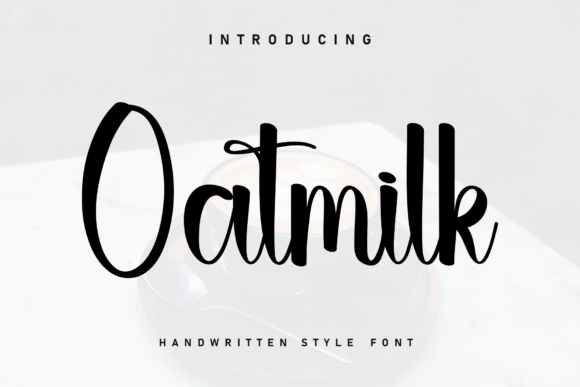
In a digital landscape saturated with crisp sans-serifs and rigid serifs, a font that feels genuinely human can be a game-changer. Enter Oatmilk, a charming handwritten font filled with a sense of heartfelt perfection. Its smooth strokes and organic lines evoke a relaxed atmosphere, making it a versatile creative asset for designers seeking warmth and authenticity. This typeface isn't just letterforms; it's a tool for crafting visual narratives that resonate on a personal level, perfectly suited for a variety of design projects where connection is key.
Why Organic Typography Matters in Branding
Modern graphic design and branding increasingly prioritize authenticity and emotional connection. A carefully chosen typeface like Oatmilk directly contributes to a brand's visual identity and tone of voice. Its handwritten style can soften a corporate image, add a creative flair to a startup, or inject artisanal quality into product packaging. This approach to typography moves beyond mere legibility; it becomes a core component of visual communication, influencing how an audience perceives a brand's personality and values. When used strategically, it strengthens brand recall and fosters a more engaging user experience.
Practical Applications for Creative Projects
The versatility of a font like Oatmilk allows it to enhance numerous design contexts. Its organic, approachable character makes it particularly effective for projects aiming to feel personal, creative, or heartfelt. Consider its application across these common design scenarios:
- Brand Identity & Logo Design: Ideal for boutique businesses, cafes, wellness brands, or creative studios where a handcrafted feel is essential to the brand story.
- Marketing & Social Media Graphics: Creates standout headlines, quotes, and call-to-action text that feels personal and engaging, boosting interaction on platforms like Instagram and Pinterest.
- Editorial & Packaging Design: Adds a human touch to magazine headlines, book titles, or product labels, especially for organic, handmade, or lifestyle goods.
- Web & UI Design: Used sparingly for hero sections, buttons, or accent text, it can guide user focus and inject personality into digital interfaces without compromising overall UX design clarity.
- Presentation & Merchandise: Transforms standard slides into compelling stories and makes custom merchandise feel unique and personal.
Integrating Oatmilk into Your Design Workflow
Effective use of any creative asset requires thoughtful integration. When incorporating Oatmilk or similar handwritten fonts, always consider your broader design goals. First, assess readability. While beautiful, script fonts are best used for headlines, short phrases, or accents rather than long blocks of body text. Ensure sufficient contrast against your background and consider pairing it with a clean, neutral typeface for balanced visual hierarchy.
Second, evaluate compatibility. Does its style align with your existing color palette, imagery, and overall brand aesthetic? A font should complement, not clash with, your established visual design system. Finally, think about scalability. Test how the font renders at different sizes, from a large poster headline to a small social media graphic, to maintain its charm and legibility across all applications. This mindful selection process is a hallmark of professional design practice.
Ultimately, the power of a font like Oatmilk lies in its ability to bridge the gap between digital precision and human warmth. In an era where visual communication is constant, choosing typography that conveys emotion and authenticity can significantly elevate a project. By thoughtfully integrating such quality creative assets, designers and creators can ensure their work not only captures attention but also builds meaningful connections, making every design choice a step toward more effective and beautiful communication.