Writing Book: A Handwritten Font for Modern Design
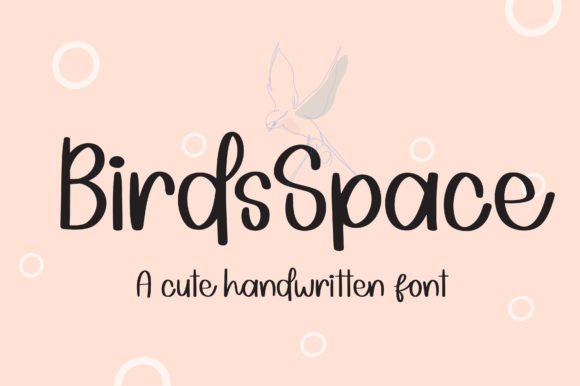
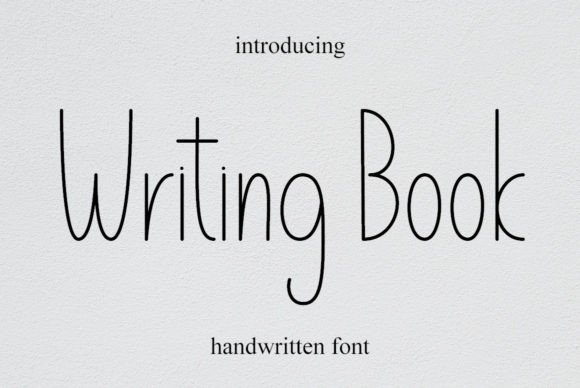
In a digital world saturated with crisp, geometric fonts, the authentic warmth of a handwritten typeface can be a powerful differentiator. Writing Book is a simple and friendly handwritten font that offers just that. Whimsical and a bit quirky, this font will brighten up each of your designs, adding a personal, approachable touch that resonates with audiences. Its carefully crafted letterforms balance casual charm with clear legibility, making it a versatile asset for a wide range of creative projects.
Understanding the Role of Typography in Brand Identity
Typography is a cornerstone of visual communication and brand identity. The fonts you choose convey personality, set the tone, and influence how your message is received. A typeface like Writing Book moves beyond mere text; it injects a human element into digital and print layouts. This is crucial for brands aiming to build trust and connection. In graphic design, selecting the right typeface is about matching the font’s character with the brand’s voice—whether that’s playful, sincere, elegant, or bold.
Practical Applications for Creative Professionals
The true value of a design asset lies in its application. Writing Book’s friendly aesthetic makes it exceptionally versatile. Consider integrating it into your design workflow for:
- Branding and Logo Design: Create memorable logos for lifestyle brands, boutique shops, or artisanal products that need a personal touch.
- Marketing Materials: Enhance brochures, flyers, and advertisements with hand-lettered headlines that grab attention and feel genuine.
- Social Media Content: Design engaging graphics for Instagram, Pinterest, or Facebook that stand out in a crowded feed and encourage interaction.
- Website and UI Design: Use for featured quotes, call-to-action buttons, or section headers in web design to add warmth and guide user experience (UX).
- Editorial and Packaging Design: Perfect for magazine pull quotes, book covers, or product packaging that aims for a handcrafted, premium feel.
Tips for Effective Font Selection and Implementation
Adding a new font to your toolkit requires strategic thought. To ensure a polished and professional result, evaluate any typeface against your project’s core needs. First, consider readability. Test the font at various sizes to ensure it remains legible, especially for body text or smaller UI elements. Second, assess visual hierarchy. A whimsical font like Writing Book is often most effective for headlines, logos, or short bursts of emphasis rather than lengthy paragraphs. Pair it with a clean, neutral sans-serif for body copy to maintain balance.
Third, think about consistency and scalability. Will the font work across different media—from a tiny favicon to a large-format poster? Finally, ensure it aligns with your audience expectations and existing brand color palette. A font that feels playful to one demographic might seem unprofessional to another. Always test your creative assets in context.
Elevating Your Creative Projects with Quality Assets
Integrating high-quality creative assets like Writing Book into your design process is an investment in visual storytelling. It allows you to quickly prototype ideas, maintain a cohesive aesthetic across campaigns, and deliver designs that feel both unique and professionally executed. When you add it confidently to your projects, you will love the results it brings—transforming standard layouts into compelling narratives that capture attention and communicate with personality. Thoughtful typography is not just decoration; it is a fundamental component of effective communication that strengthens your overall design quality and leaves a lasting impression.